Solutions
Cut, weld, finish — in the right order, every time
Fabrication work is a relay race: cutting hands off to forming, forming to welding, welding to finishing. CoreScheduler sequences multi-step jobs across stations and crews with dependencies that hold — so nothing waits and nothing jumps the gun.
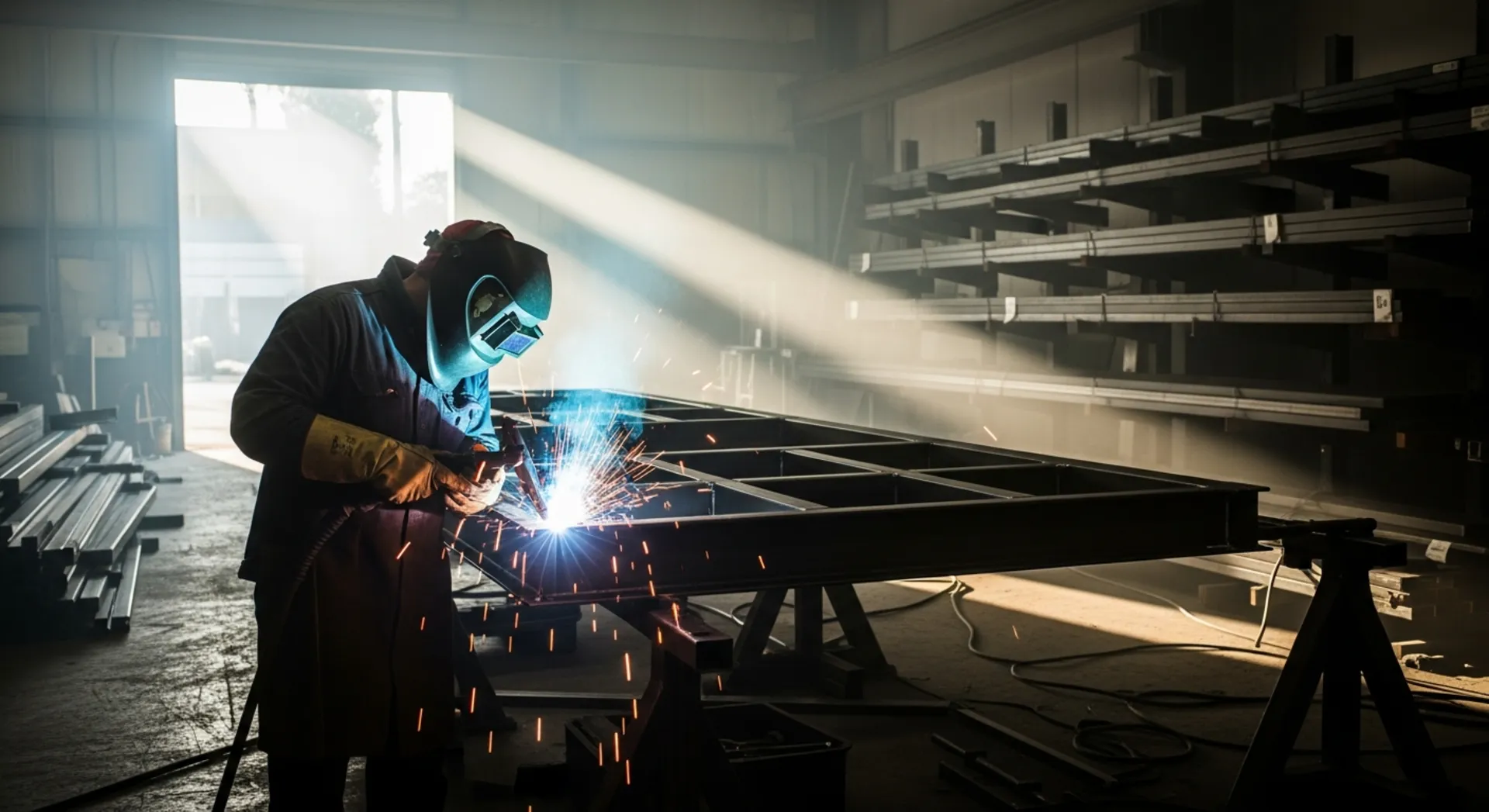
Sound familiar?
Downstream stations starved because upstream work slipped silently
Weld queues balanced by walking the floor and counting
Multi-week structural jobs planned separately from daily work
Rework and rush jobs shuffled in with no view of the ripple effects
How CoreScheduler fits
Dependencies across stations
Step 2 never starts before step 1 finishes. Sequence cutting, forming, welding, and finishing with dependencies the scheduler enforces.
Big projects and daily work on one grid
Long-running structural projects generate shop tasks on the same schedule as quick-turn work, so capacity conflicts show up in planning — not on the floor.
What-if the rush job
Use Draft Mode to test slotting a rush order through the whole routing before you commit the floor to it.
Frequently asked questions
Can CoreScheduler handle jobs that span weeks and dozens of steps?
Yes. Multi-step jobs generate the individual station tasks with their dependencies intact — so the two-month weldment and today's bracket order coexist on one schedule.
How does it help balance the weld queue?
Every welding station's load is visible on the grid by day and week. Overloads are obvious, and dragging work between stations rebalances the queue in seconds.
Does the floor need training to use it?
Operators just see their queue — live, on any device, in plain language. The learning curve sits with the scheduler, and drag-and-drop keeps that short too.